What is Diabetes?
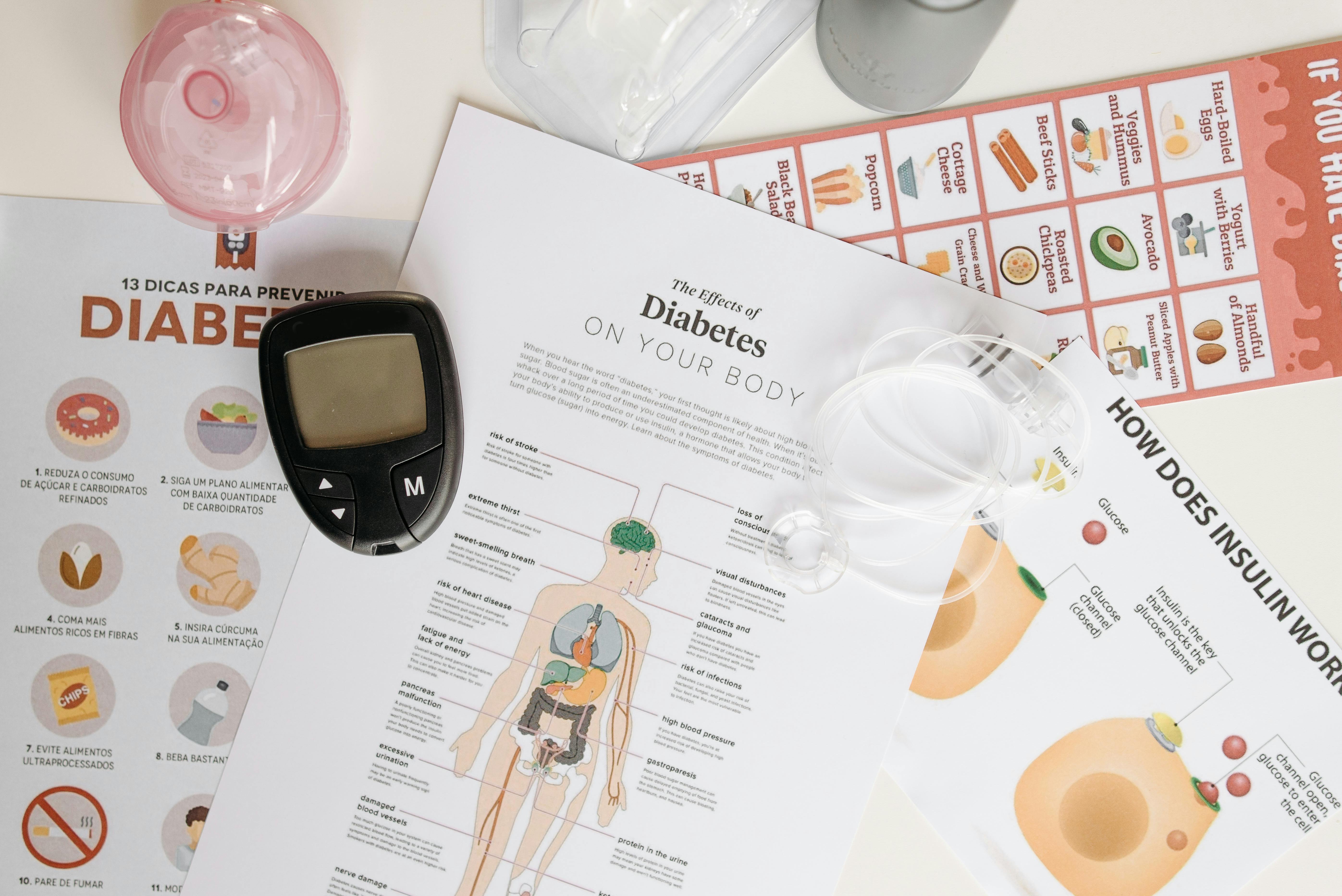
“Diabetes is a chronic, metabolic disease characterized by elevated levels of blood glucose (or blood sugar), which leads over time to serious damage to the heart, blood vessels, eyes, kidneys and nerves” (World Health Organization, n.d.).
Contents
Type 1 diabetes
“Type 1 diabetes is a serious, lifelong condition where the blood glucose (blood sugar) level is too high because the body can't make a hormone called insulin” (Diabetes UK, 2018a).
Causes
People with type 1 diabetes experience an immune system malfunction that mistakenly destroys the insulin-producing cells in the pancreas, known as beta cells. This damage occurs slowly over time, often taking months or years before any symptoms become noticeable.
Symptoms
- Excessive thirst
- Frequent urination (including bed-wetting in children)
- Increased hunger
- Unintentional weight loss
- Mood swings (irritability, etc.)
- Fatigue and weakness
- Blurred vision
Treatment
Managing diabetes primarily involves self-care, guided and supported by healthcare professionals.
- Insulin
-
The three important factors to consider for selecting the appropriate insulin type are:
- Onset: Amount of time it takes to start working
- Peak: When it reaches its strongest effect
- Duration: How long it lasts
The types of insulin include basal insulin, which provides a prolonged and consistent dose throughout the day and night. Other types of insulin, such as mealtime, rapid, or bolus insulin, have shorter durations but effectively manage blood sugar spikes following meals.
Other steps that could help maintain blood sugar levels within the normal range include eating healthily, staying active, losing weight, and regularly monitoring blood sugar, as mentioned here.
Type 2 diabetes
"Type 2 diabetes is a serious, lifelong condition where the insulin the pancreas makes can't work properly, or the pancreas can’t make enough insulin" (Diabetes UK, 2018b).
Causes
People with type 2 diabetes experience a condition known as insulin resistance. This occurs when their cells don't react to insulin as they should. The body compensates by producing extra insulin to get the cells to respond, but it can't maintain this increased production, which leads to elevated blood glucose levels. This can result in prediabetes and eventually type 2 diabetes.
Symptoms
- Frequent urination
- Increased hunger
- Unintentional weight loss
- Fatigue
- Blurred vision
- Slow-healing sores
- Frequent infections
- Numbness or tingling in extremities (hands or feet)
- Darkened skin patches (armpits, neck)
Treatment
People with type 2 diabetes typically need oral medication for several years but may eventually require insulin to maintain blood sugar control. It’s best to work with a doctor to determine which treatment might be most helpful.
Other steps that could help maintain blood sugar levels within the normal range include eating healthily, staying active, losing weight, and regularly monitoring blood sugar, as mentioned here.